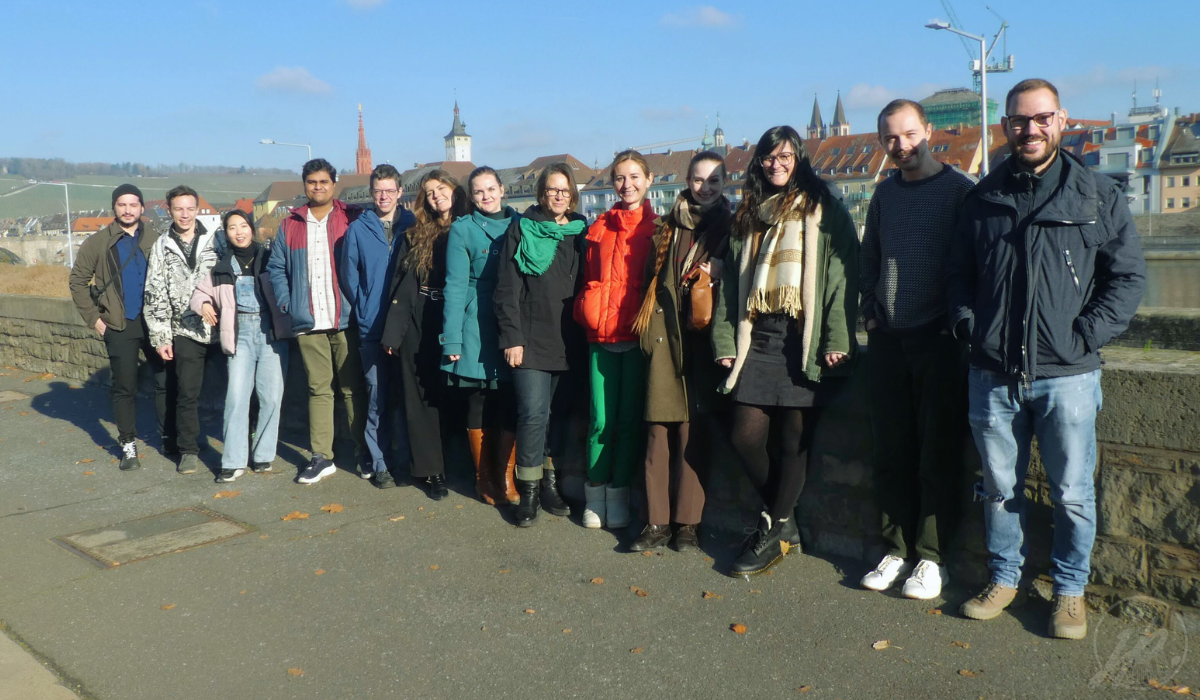

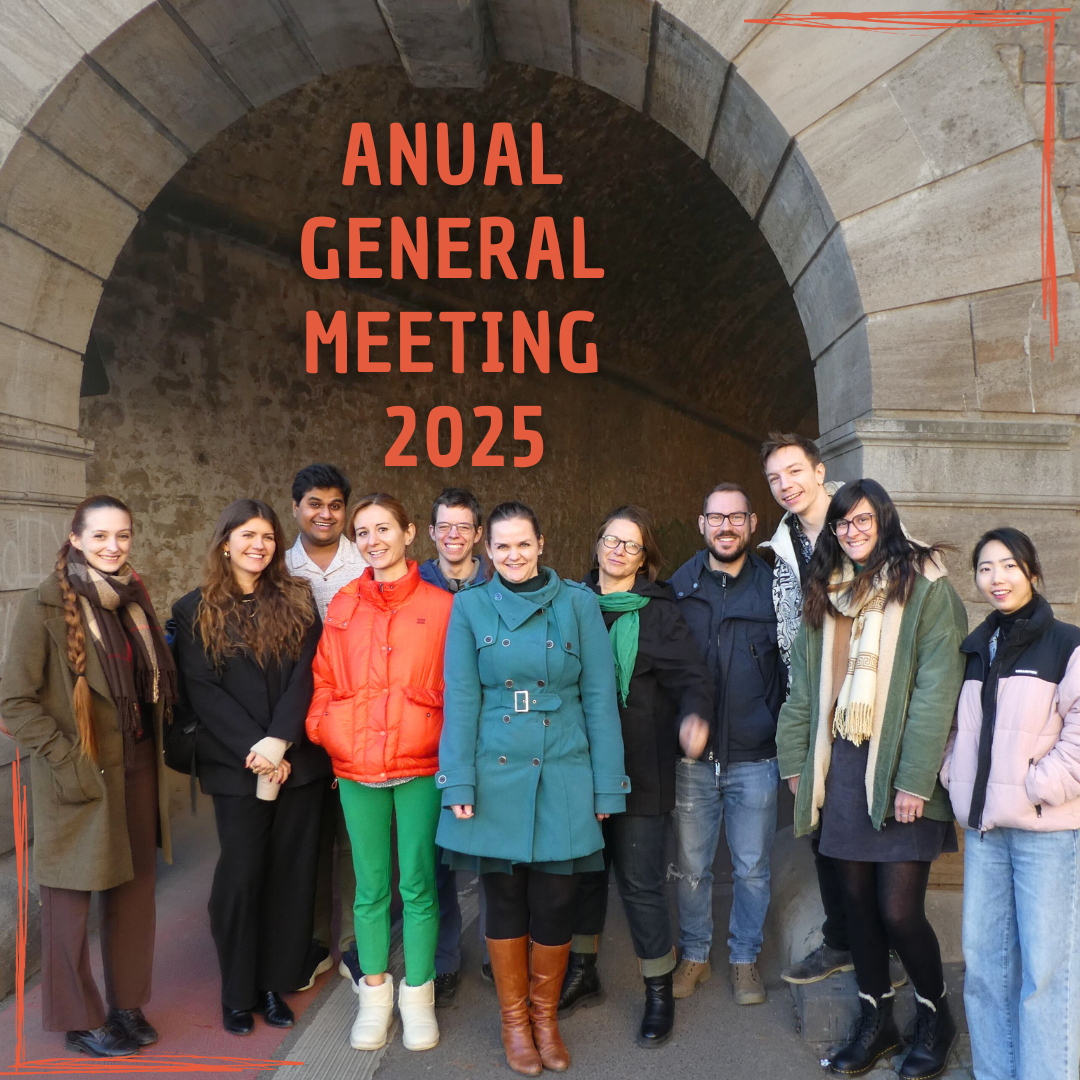
This year, we held our annual general meeting in Würzburg. The city on the River Main welcomed us with sunshine but bitterly cold temperatures.
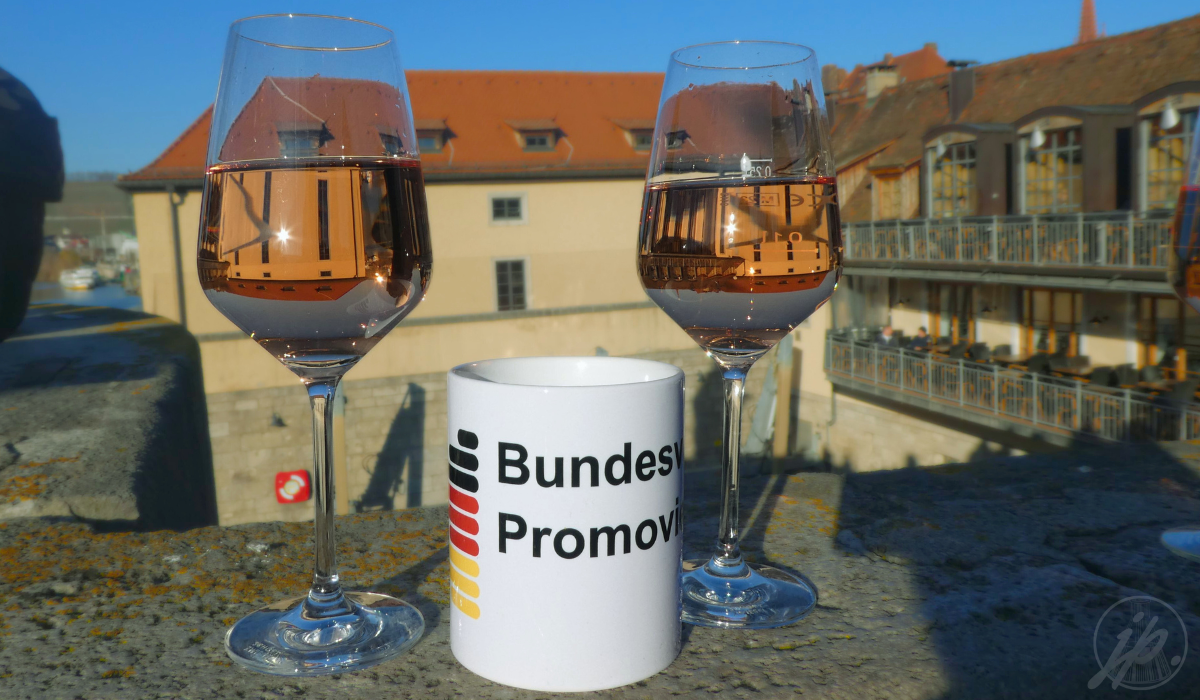
On Friday evening, we enjoyed team-building activities at a pub, complete with cocktails and dice games. In keeping with the local tradition of ‚Weinshoppen‘, we enjoyed white wine and mulled wine on the Alte Mainbrücke, before wrapping up the first day of the AGM with some late-night small talk.
The official AGM began at 10:00 a.m. on Saturday, with many people attending in person and online. Even though we did not reach the quorum necessary for making final decisions, this was not a major issue thanks to the option of delayed voting. All member representatives could vote online until 21 December.
We still have open positions for executive council members, including an IT officer and a membership officer. Please ask around if you know anyone willing to volunteer for our organisation.
Workshop and discussion about Academic pressure and responsibilities
The first workshop was prepared by Malte and Leon of our own executive council and quickly developed into a platform for discussions about funding structures. This discussion was very fruitful and showed again how important the exchange about experienced problems is to develop positions for the federal association and create ideas how to solve those problems.
Tensegrity: rebuild peer to peer support in Academia
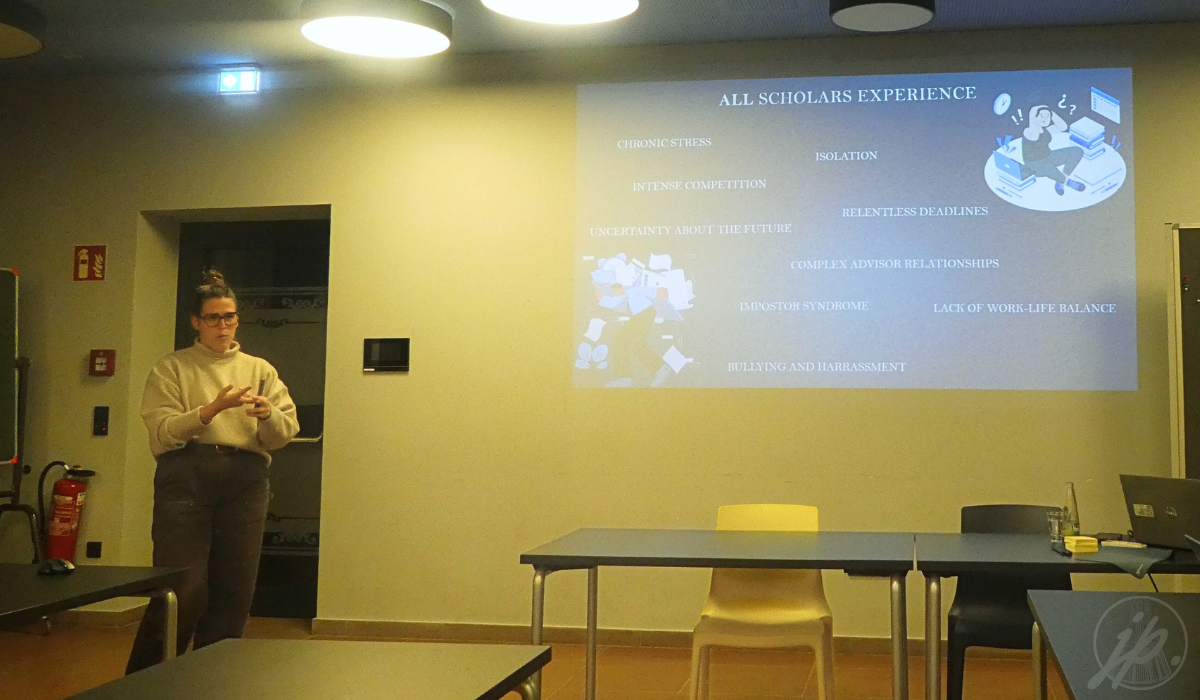
Together with her colleagues, Dr Caterina Malai has developed a concept for peer-to-peer coffee breaks to strengthen mental health within academia. The idea is to offer short courses to researchers to teach them how to support their peers with empathy and an open ear. These sessions are not intended to replace professional help, which is often difficult to access in Germany, but rather to provide an easily accessible support structure within the scientific community. By equipping researchers with basic listening and communication skills, the initiative aims to create sustainable networks of trust and mutual care across institutions.
Dr Malai led us through several short exercises, enabling us to learn how to communicate and listen effectively when someone is talking about their problems. We were all delighted to have this practice and to learn from her experience of providing peer support.
Report of executive council
The official agenda of our AGM in Würzburg began on the second day. Our two spokespersons, Benita and Luisa, presented a report on the activities of the past year. During this report on the work of the executive council, each officer provided an overview of their activities and achievements. Several new initiatives to engage with doctoral researchers and politicians were created and piloted. This important work would not be possible without the dedication of our executive council members, who volunteer their precious time for our federal association. The topic of encouraging people to participate in any form of council work sparked a longer discussion about the difficulties of doing so. Everyone present agreed that we should develop ideas to encourage people to get involved in doctoral representation. If you have any proven strategies for motivating people, please share them with us.
Election of the upcoming executive council
Following the report on last year, we proceeded with the election of a new Executive Council. Over the past few months, Benita and Luisa have invested considerable time in finding volunteers for the vacant positions on the Executive Council. Some familiar faces reclaimed their positions, while others seized the opportunity to take on more responsibility within our association. Sadly, some positions remained vacant. We are therefore still looking for volunteers to support our work on the Executive Council. If you think this sounds like fun, get in touch with us!
Two new member representations
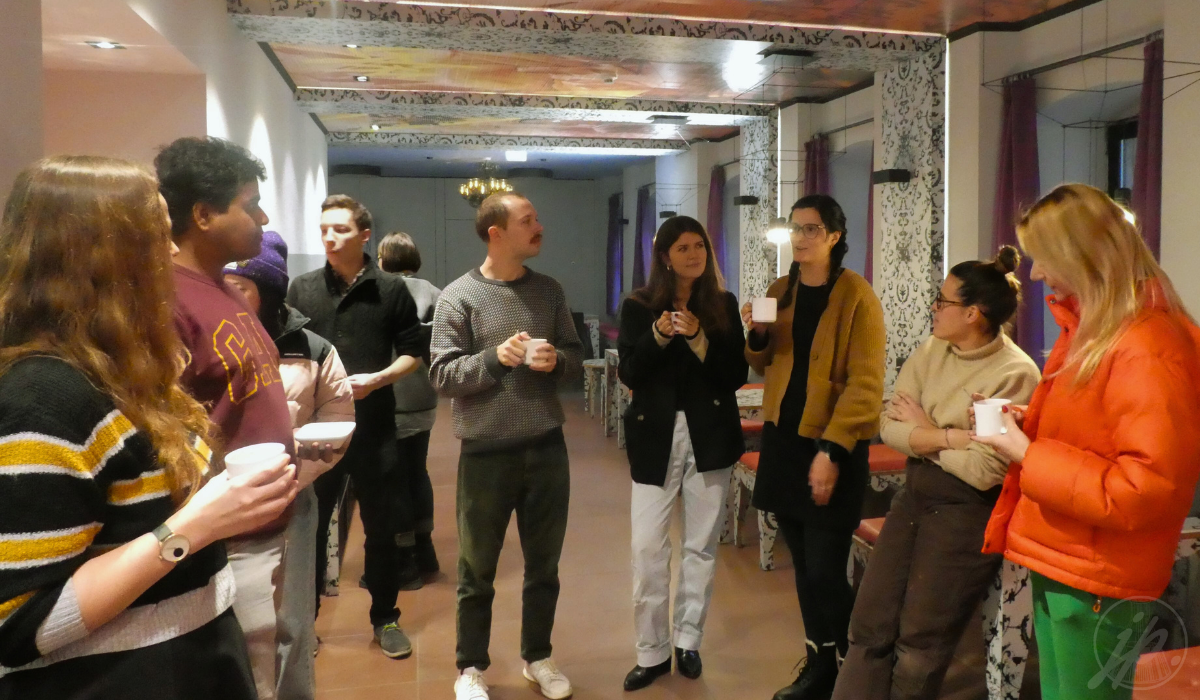
Two more local representatives provisionally joined our federal association at the AGM: TU Ilmenau, with 766 doctoral candidates, and the Hertie School of Governance, with 65. If you would like to find out more about their work, we will publish details on our blog in January. Together, we now represent approximately 80% of the 138,000 doctoral researchers who have official representation.
Overall, this AGM was great fun, and it was wonderful to meet you all. Thank you to everyone who was present in Würzburg or joined us online for this wonderful time together. We are looking forward to 2026 and the challenges ahead. We’re grateful for the energy, ideas, and enthusiasm each of you brought to the table. Let’s carry this momentum forward and make the coming year even more impactful together.